The Hidden Cost of Slow Tech Hiring in Large Enterprises
Understanding how slow tech hiring weakens enterprise transformation momentum and long term digital execution
November 17, 2025
6 mins Read
Insight
Why Slow Tech Hiring Matters in Modern Enterprises
Slow tech hiring has quietly become one of the most damaging obstacles inside large enterprises, and its effects are far more extensive than delayed recruitment timelines. Today’s organisations operate in an environment where speed is the foundation of every digital ambition. Customer expectations evolve continuously, competitors innovate faster, and technology cycles move in shorter intervals than ever before. Within this environment, the ability to assemble capable teams at the right moment determines whether a transformation program gains momentum or collapses beneath its own weight. When slow tech hiring becomes normalised, the entire organisation begins to experience a slowdown that feels harmless at first but expands into a structural weakness over time. Enterprises today depend on highly specialised talent across architecture, cloud platforms, data engineering, automation, integration, security, and digital product capability. Each of these areas forms a crucial link in the transformation chain. The absence of any one role delays decisions, extends planning cycles, and pushes delivery timelines further into the future. Modern organisations no longer have the luxury of multi quarter delays because customer expectations do not pause and market competition does not soften. Slow tech hiring disrupts this landscape by creating gaps that weaken operational rhythm and diminish an organisation’s ability to execute at the pace the environment demands. The average time to hire across different industries is between 27 and 42 days … however, some reports suggest that top candidate profiles are snapped up after about 10 days. A slow hiring process can mean the difference between filling a position and losing out on top talent while spending more money than you budgeted for. (Adecco)
This pressure is amplified by the fact that transformation programs are deeply interconnected. A missing architect affects delivery teams, a missing engineer affects cloud migration, a missing analyst affects insights needed for decision making. When slow tech hiring becomes a pattern, these interdependencies begin to fracture. Plans lose clarity. Teams lose direction. Delivery loses rhythm. Slowly, the enterprise begins to adjust to a quieter pace of progress, unaware that the slowdown is eroding its competitive edge. In this way, slow tech hiring matters not because of the inconvenience it creates but because of the structural drag it introduces into every major initiative that defines the organisation’s future.
Why Slow Tech Hiring Has Become More Common Across Large Organisations
Slow tech hiring has grown more common across large enterprises due to the increasing complexity of the skills required and the internal processes that have not evolved as quickly as the digital environments they support. Technology roles today demand expertise that spans multiple platforms, architectural patterns, cloud environments, and integration models. Enterprises expect a single engineer to understand infrastructure, automation, security, and cloud orchestration. They expect a single architect to shape platforms, guide governance, align teams, and ensure scalability. These expectations narrow the available talent pool and create longer, more difficult hiring cycles, making slow tech hiring a predictable outcome rather than an accidental one. In addition to skill complexity, internal enterprise structures contribute significantly to these delays. Most large organisations use multi layered hiring processes that move sequentially between teams, committees, and decision makers. What begins as a simple role approval often expands into budgeting discussions, compliance reviews, justification documents, and alignment calls that extend timelines far beyond what the organisation intended. These processes were designed to preserve governance, yet they now work against the speed needed to sustain transformation. Slow tech hiring becomes the result of outdated internal rhythms that cannot support the urgency of modern digital initiatives.
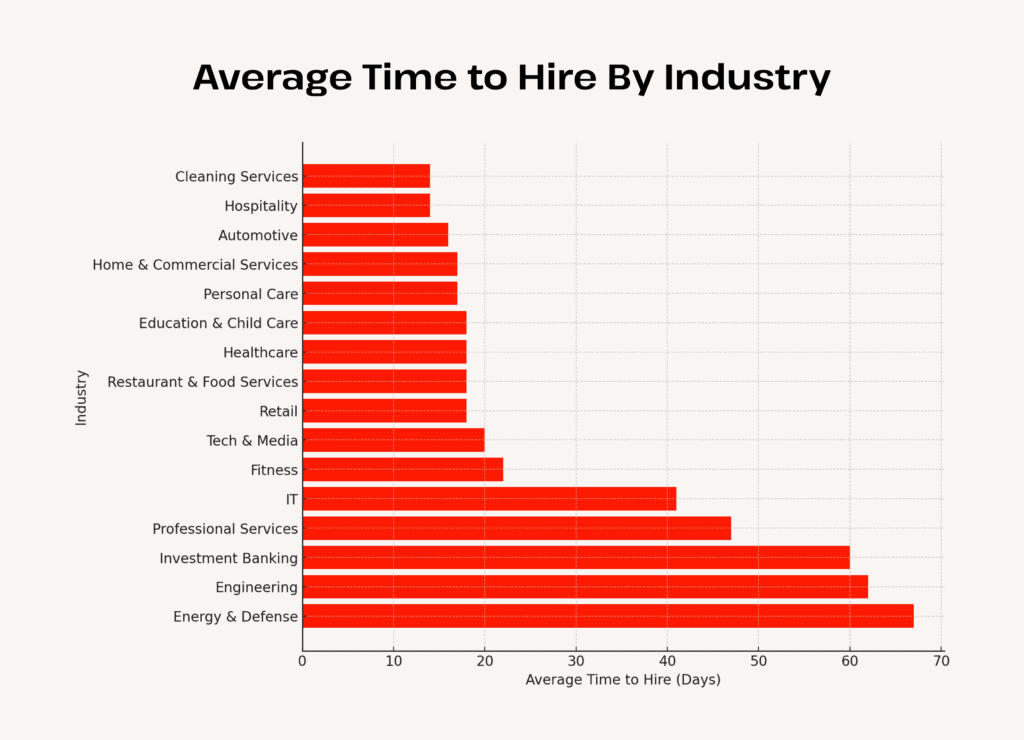
Fragmented recruitment methods add another layer of delay. Many enterprises operate with decentralised hiring functions where departments, business units, and external vendors follow independent processes. Each group uses different evaluation criteria and different communication channels, which introduces inconsistency and creates significant waiting periods between interview stages. Candidates disengage, hiring managers lose visibility, and leadership teams underestimate how quickly the organisation is losing momentum. The rising trend of slow tech hiring is therefore not driven by one single cause. It is the combined result of skill scarcity, structural complexity, and organisational fragmentation converging at a critical moment in enterprise digital evolution. For mid-senior engineering and operations managers running change programs at 10,000+ employee firms, every week a key role sits vacant is a week of delayed deliverables, overloaded teams and rising program costs. Hiring has become slower and more interview-heavy, overall time to hire increased roughly 24% since 2021. (Connecting Experts) Before examining why slow tech hiring has become such a common reality across large organisations, it is important to recognise the structural challenges that shape the hiring environment itself. Different industries operate with vastly different levels of complexity, regulatory oversight and skill requirements, and these differences naturally influence how long it takes to fill a role. Industries that rely on generalist skill sets move quickly because the available talent pool is wide and interview cycles are straightforward. Conversely, sectors that depend heavily on specialised technical capability experience far slower hiring cycles because each role requires a careful assessment of technical depth, architectural alignment and strategic suitability. This contrast helps illustrate why enterprises often find themselves unable to match the speed demanded by their transformation agendas. The following visual places this reality into perspective by showing how hiring timelines expand dramatically as roles become more technical and strategically critical.
Average time to hire across industries highlighting the extended hiring cycles in IT and engineering that contribute to slow tech hiring in large enterprises. Source: Join Genius
What becomes evident from this comparison is that slow tech hiring is not just the result of inefficient internal processes. It is also the result of operating within an industry where talent scarcity, deep skill requirements and complex evaluation structures stretch the hiring cycle far beyond the norms seen in other sectors. When the hiring timeline for a technical role regularly exceeds forty or even sixty days, enterprises lose the ability to maintain the rhythm required for digital transformation. This context reveals that slow tech hiring is a systemic challenge rather than an isolated issue, and it shows how enterprises inherit delays simply by working in fields where specialised talent is in chronic short supply. This reinforces the need for alternative capability models that help organisations move at a pace not restricted by traditional hiring cycles.
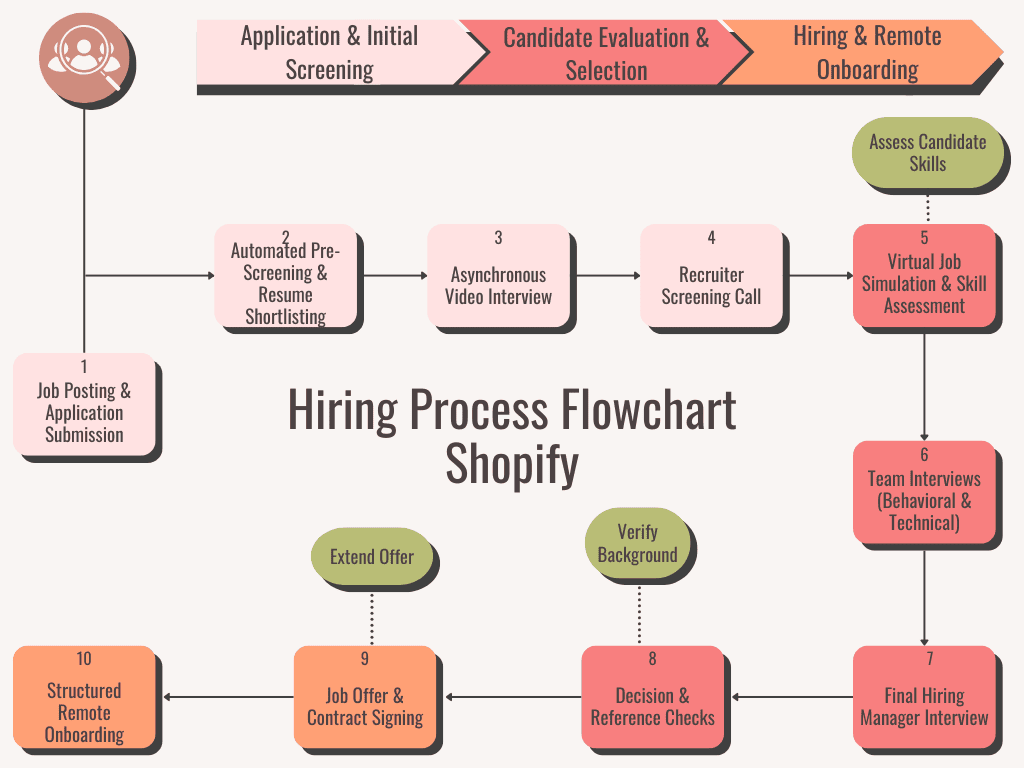
To understand the deeper reasons behind slow tech hiring, it is essential to look closely at how the hiring journey is structured inside modern enterprises. Over time, organisations have expanded their evaluation frameworks in an effort to reduce risk, improve quality and ensure cultural alignment. While these intentions are valid, the resulting process often becomes long, multi layered and dependent on multiple internal stakeholders operating at different speeds. Technical roles are especially affected because they require skills assessments, scenario based evaluations, architectural alignment checks, multiple interview rounds and verification stages that go far beyond what traditional recruitment models were designed to support. The visual below provides a clear illustration of how these processes unfold and why even minor delays in any stage can quickly accumulate into a multi week slowdown.
Detailed hiring process flowchart showing how multi step evaluations and internal approvals contribute to slow tech hiring inside large organisations.
The flowchart demonstrates how each step, while rational in isolation, forms part of a lengthy and fragmented journey that makes slow tech hiring almost unavoidable. Enterprises often underestimate the cumulative effect of these steps. A single rescheduled interview can push the process back by a week. A delayed evaluation can freeze progress across multiple teams. Background checks and approvals can extend timelines even when candidates are highly qualified. The result is a hiring experience that is thorough but not aligned with the urgency of modern transformation initiatives. This visual illustrates how hiring has evolved into a complex operational workflow that slows organisations down at precisely the moment they need to accelerate. It reinforces the point that overcoming slow tech hiring requires redesigning not just job descriptions but the entire hiring architecture.
The True Cost Created by Slow Tech Hiring and Unfilled Roles
The true cost of slow tech hiring extends far beyond the visible delays associated with open positions. At first glance, an unfilled role seems like a simple vacancy. In reality, it becomes the starting point of a domino effect that touches strategy, operations, financial performance, and cultural momentum. When a key role remains unfilled, dependent teams cannot make decisions, infrastructure work stalls, architectural designs lose continuity, and program roadmaps begin to drift. These delays accumulate quietly until they reshape the entire timeline of a transformation initiative. The cost is not measured only in missed deadlines but in the loss of organisational energy that drives large scale digital change. Financially, slow tech hiring introduces hidden expenses that rarely appear on budget reports yet significantly impact the organisation. While teams wait for critical hires, internal resources spend additional hours in planning cycles, alignment sessions, and rework due to incomplete technical foundations. Vendors pause their timelines. Projects remain half active but fully staffed. Transformation budgets extend over additional months even when progress does not accelerate. These inefficiencies represent a major but silent financial drain. Even more damaging is the opportunity cost created when delayed digital capabilities postpone revenue gains, operational savings, and customer experience improvements that the transformation was meant to produce.
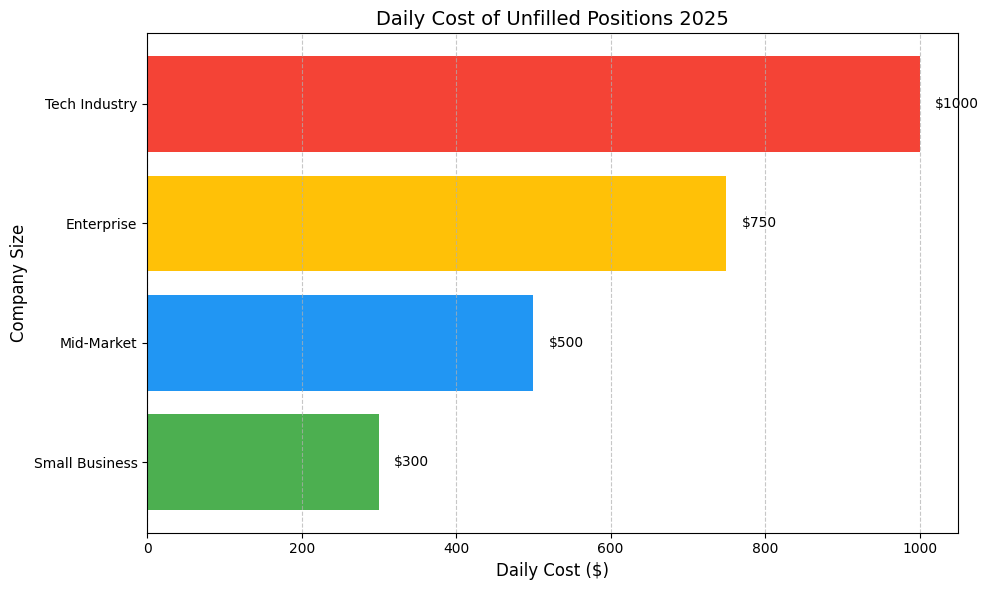
Culturally, slow tech hiring weakens the confidence that teams need to maintain momentum. When roles remain vacant, employees begin adjusting their expectations. Leaders postpone bold decisions. Stakeholders lose belief in the transformation narrative. Over time, the organisation becomes comfortable with delays, even when the business environment demands urgency. This shift in behavioural rhythm is one of the most damaging outcomes of slow tech hiring because it affects every current and future transformation program. Instead of moving with conviction, the enterprise moves cautiously and slowly, reinforcing the very cycle that created the delays in the first place. In this sense, the cost of slow tech hiring is not measured only in time or money but in the diminished strength of enterprise ambition. Delayed hiring often results in rising recruitment costs as job ads run longer, recruiters spend more hours sourcing, and multiple interview rounds are conducted. At the same time, the work that’s not getting done adds pressure to existing staff, delays key projects and reduces productivity. One of the biggest losses is access to top candidates… top talent is often off the market in just 10 days. (JobAndTalent) The financial dimension of slow tech hiring is often misunderstood because many of its costs remain hidden within delayed milestones, postponed deliverables and weakened team productivity. While leaders track budget utilisation and resource allocation closely, they rarely see the direct monetary impact of unfilled roles on a day to day basis. Yet the financial loss begins accumulating the moment a critical role becomes vacant. Technical positions in particular carry a high daily cost because they sit at the centre of design decisions, development progress, platform stability and enterprise wide integration efforts. Without these roles, teams move slower, vendors remain idle, operational decisions remain pending and transformation programs lose their momentum. The chart below offers a clearer picture of how these daily losses differ across organisation sizes and why they are especially significant for enterprise and technology driven environments.
Daily cost of unfilled roles chart demonstrating how slow tech hiring drives significant financial losses for enterprises and technology driven organisations. Source: Software Oasis
The visual makes clear that the cost of slow tech hiring is not theoretical or marginal. It is immediate, measurable and compounded every day a role remains unfilled. In technology organisations and enterprise environments, the financial impact quickly escalates into thousands of dollars per week because each day of delay pushes back key architectural decisions, slows cloud migrations, extends engineering sprints and forces teams to operate below capacity. These losses also manifest in opportunity cost, as projects miss windows where market conditions, customer demand or operational efficiency gains could have been captured. By revealing the scale of these daily losses, the chart demonstrates why slow tech hiring is not simply an HR inefficiency but a strategic risk that affects the long term competitiveness of the organisation. It signals the need for faster, more flexible capability models that reduce dependency on traditional hiring timelines.
How Slow Tech Hiring Breaks Digital Transformation Momentum
Digital transformation requires a continuous flow of decisions, delivery cycles, and architectural clarity. Once this rhythm is interrupted, even slightly, the entire organisation begins to feel the slowdown. Slow tech hiring is one of the most common triggers of this disruption. When a key role remains unfilled, projects that depend on that expertise begin to stall. Design workshops lose clarity because architectural questions remain unanswered. Delivery teams pause mid sprint because integration work cannot move forward. Leaders lose visibility on milestones because critical tasks remain blocked. These delays accumulate quietly until the organisation begins to operate at a much slower pace than the transformation vision demands. For mid-senior engineering and operations managers running change programs at 10,000+ employee firms, every week a key role sits vacant is a week of delayed deliverables, overloaded teams and rising program costs. Overall time to hire increased roughly 24 % since 2021. Hiring delays lead to delayed project milestones. (Connecting Expert)
One of the reasons slow tech hiring has such a powerful impact is that transformation programs are deeply interconnected. Cloud adoption influences data architecture. Data flow influences automation. Automation informs customer experience enhancements. Each step relies on the one that comes before it. A single unfilled role creates a ripple effect that moves across the entire transformation blueprint. Industry research shows that large enterprises often see project delays of several weeks every time a key technology role sits vacant, and these weeks compound across complex, multi portfolio programs. Slow tech hiring therefore does not only create delays. It reduces the force that keeps transformation moving forward. Momentum also plays a crucial cultural role. Teams feel confident and energised when progress is visible. That confidence weakens when deadlines slip because of unfilled roles. Leaders become more cautious. Stakeholders begin to question the pacing of initiatives. Transformation shifts from being a strategic opportunity to a long term burden. Many organisations do not realise how quickly this shift happens until they begin reviewing program timelines and discover that slow tech hiring has quietly eroded their foundational energy. Without momentum, even the most well funded transformation will begin to lose direction and organisational belief.
Smarter Talent Models That Help Enterprises Reduce Slow Tech Hiring
As enterprises face the growing challenge of slow tech hiring, many are beginning to rethink how they build and sustain their digital capability. Traditional hiring methods alone cannot meet the speed required for modern transformation. Technology evolves too quickly and the skill sets needed are too specialised for organisations to wait months for every key role to be filled. This has pushed enterprises to explore new models that blend internal recruitment with flexible access to specialised talent. These models give organisations the ability to maintain momentum even when their internal hiring processes move slowly.
One strategy gaining traction is the use of curated expert networks that provide immediate access to cloud engineers, architects, integration specialists, and technical leads. Studies across the talent industry show that many of the best candidates leave the market within as little as ten days, which means slow tech hiring increases the risk of losing skilled professionals before they even reach the final interview stage. These curated networks help enterprises avoid that risk by offering on demand expertise that can be onboarded quickly and integrated directly into transformation workstreams. In addition to flexible sourcing, enterprises are reshaping their teams to work in integrated, cross functional structures that reduce dependencies. When architects, engineers, analysts, and product owners work as a unified unit rather than as separate departments, the organisation reduces the delays caused by handovers and misalignment. This integrated approach creates a more stable operational rhythm, making the organisation less vulnerable to the slowdown triggered by slow tech hiring. By blending flexible external capability with smart internal collaboration models, enterprises can significantly reduce the structural delays that once held them back. (SNI Companies)
Building the Support Structure Needed to Overcome Slow Tech Hiring Challenges
Overcoming slow tech hiring requires more than faster recruitment. It requires a support structure that ensures progress even during talent gaps. Many enterprises are now developing operating models that blend internal capability with specialised external expertise to maintain consistency across their transformation journey. This approach allows teams to progress without losing momentum when a critical role is vacant. It also ensures that architectural alignment and technical direction remain stable, which prevents the rework that often occurs when teams operate without senior technical guidance.
A growing number of organisations are quietly adopting partnerships that provide architectural leadership and specialist skills at the exact moment they are needed. These partnerships help them maintain rhythm during complex digital initiatives. Some enterprises work with groups like Yallo who offer enterprise architects, cloud specialists, and transformation experts who can step into roles that would otherwise remain unfilled for months. These experts keep the organisation moving by shaping design decisions, supporting delivery teams, and ensuring technical coherence across portfolios. Another important element of this support structure is the use of insights and case studies to guide internal teams. When organisations have access to real world examples of cloud modernisation work, enterprise architecture approaches, and transformation frameworks, they gain clarity on how to structure their own programs. This reduces uncertainty and helps teams make decisions with greater confidence even while recruitment is ongoing. By building a layered support system that includes flexible talent, architectural oversight, and proven guidance, enterprises can overcome the constraints of slow tech hiring and move forward with sustainable speed.
A Final Reflection on the Long Term Risks of Slow Tech Hiring
Slow tech hiring may appear to be a short term inconvenience, but over time it becomes one of the most influential forces shaping whether an enterprise strengthens its digital capabilities or steadily drifts behind market expectations. The effects rarely feel dramatic in the early stages. Instead, they emerge gradually through delayed architectural decisions, stalled delivery pipelines, extended vendor engagements, and a growing inconsistency in how teams collaborate. As these delays compound, they begin to reshape the organisation’s understanding of what is possible and how quickly value can be realised. This slow erosion of confidence is one of the most damaging long term consequences of slow tech hiring because it undermines both ambition and execution.
The deeper risk is cultural. When teams repeatedly encounter delays due to missing roles, they become accustomed to slower workflows. Leaders become hesitant to commit to aggressive timelines. Stakeholders begin to expect hesitation rather than progress. Over time, the organisation internalises the idea that transformation is naturally slow and unpredictable, even when the real cause is simply an inability to secure the right expertise at the right moment. This cultural slowdown carries more weight than any budget overrun because it influences every future initiative, every planning cycle, and every strategic conversation about the organisation’s direction. Enterprises that break this cycle do so by building capability systems that go beyond recruitment. They develop blended talent models, stronger architectural leadership, and decision frameworks that allow them to move forward even while certain roles are still being filled. Many organisations strengthen their approach by working with expert partners who contribute clarity, specialised skills, and continuity during critical phases. Some engage with Yallo because of its ability to pair enterprise architecture leadership with rapid access to specialised transformation talent. Through this combination, organisations maintain momentum instead of waiting for long internal hiring cycles to resolve themselves.
Another source of acceleration comes from the use of proven knowledge assets. Enterprises increasingly rely on insights that outline emerging technology patterns, transformation risks, and future readiness indicators. They examine case studies that demonstrate how modern retailers, financial institutions, and large multinational companies have executed cloud modernisation, data platform evolution, operating model redesign, or full scale enterprise architecture programs. These examples offer direction and practical structure, helping organisations make confident decisions even in environments influenced by slow tech hiring. They show that speed is not merely a function of team size but of clarity, capability distribution, and the quality of architectural grounding across the organisation. In the long view, the organisations that outperform their peers will be the ones that treat capability as a strategic foundation rather than a downstream function of recruitment. They will build systems that adapt quickly, teams that collaborate with coherence, and transformation programs that remain stable even when hiring gaps appear. They will combine internal expertise with aligned external support to ensure continuity and resilience. In this environment, overcoming slow tech hiring becomes more than a way to accelerate delivery. It becomes an essential requirement for sustaining competitiveness in a world defined by constant technological acceleration. Enterprises that take this approach position themselves not only to catch up but to lead with clarity and confidence.