
From AI to Energy: How the Middle East Closed 2025
Key Updates for December 2025
Monthly Wrap-Up
December closed the year with strong signals from across the Middle East — highlighting how GCC economies are entering 2026 with resilience, capital confidence, and execution momentum. From record venture capital flows in Saudi Arabia to AI-led transformation across energy, logistics, and government, the region continues to translate long-term visions into measurable outcomes.
This month’s edition captures the most important developments shaping the year ahead: accelerated non-oil growth in the UAE, rising M&A activity, sovereign AI investments, evolving regulatory frameworks, and major tourism and infrastructure milestones. Together, these stories reflect a region no longer defined by intent — but by delivery.
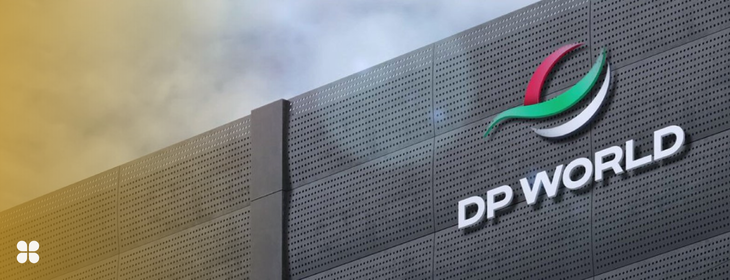
DP World Expands AI Education Push with Global Partnerships
DP World announced a significant expansion of its AI and digital skills initiatives in December, partnering with leading global academic institutions and technology organizations. The program aims to scale AI literacy across education systems, equipping students and educators with practical AI knowledge aligned to real-world industry needs.
This move reinforces DP World’s long-term positioning beyond ports and logistics. By investing in future-ready talent, the company is aligning itself with global workforce transformation trends, ensuring that supply chain innovation is supported by digitally capable human capital.
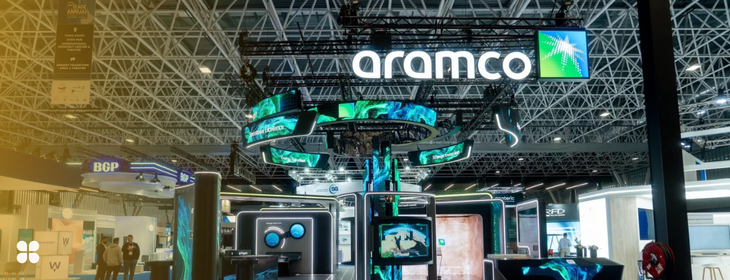
Saudi Aramco Deepens AI Strategy Across Energy Operations
Saudi Aramco strengthened its artificial intelligence roadmap by expanding partnerships focused on AI-driven optimization across exploration, production, and energy efficiency operations. The initiatives aim to improve predictive maintenance, reservoir modeling, and operational resilience.
As energy and advanced computing converge, Aramco is signaling that AI will be central to maintaining global energy leadership. The strategy supports Saudi Arabia’s diversification goals while ensuring hydrocarbons remain technologically competitive in a decarbonizing world.
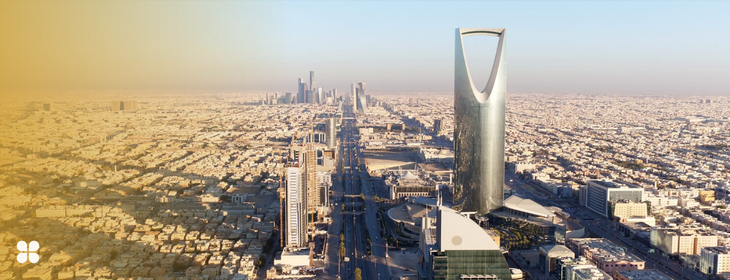
Saudi Venture Capital Hits Record Highs in 2025
Saudi Arabia closed 2025 with record-breaking venture capital activity, emerging as the largest VC market in the Middle East by both deal volume and investment value. Funding was driven by strong performance in fintech, AI, logistics, and enterprise software.
The surge reflects growing confidence in Saudi’s startup ecosystem, supported by regulatory reform, government-backed funds, and rising private-sector participation. Analysts see this as a structural shift rather than a cyclical spike.
UAE GDP Growth Revised Upward on Non-Oil Strength
In December, the UAE revised its 2025 GDP growth outlook upward, citing strong momentum across non-oil sectors such as manufacturing, financial services, tourism, and construction. The data highlights sustained domestic demand and rising foreign investment.
The revision reinforces the UAE’s success in decoupling economic growth from oil revenues. For investors and enterprises, it strengthens confidence in the country’s long-term economic stability and diversification strategy.
Middle East M&A Activity Surges in 2025
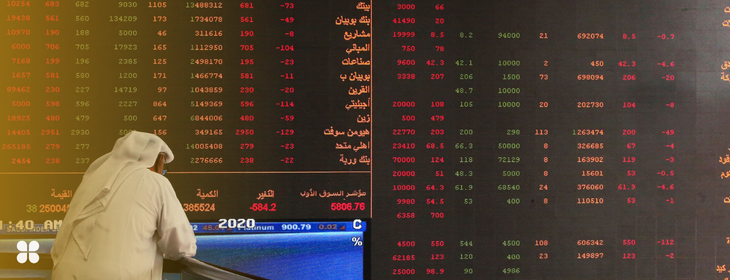
Mergers and acquisitions activity across the Middle East surged sharply in 2025, with deal values rising more than 200% year-on-year. Sovereign wealth funds, family offices, and corporates led acquisitions across energy, healthcare, technology, and infrastructure.
The boom reflects growing regional confidence and abundant capital deployment. Analysts note that Middle Eastern investors are increasingly acting as global buyers rather than regional participants.
Saudi Arabia Signs Multi-Billion Dollar Development Agreements
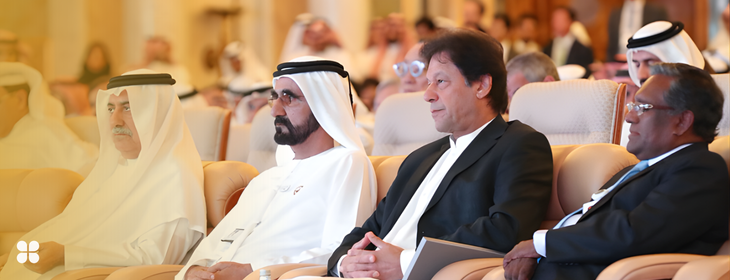
At a major December investment forum, Saudi Arabia signed over $1.5 billion in development agreements spanning tourism, sustainability, logistics, and SME financing. The deals involve both local and international partners.
The agreements underline Riyadh’s execution-focused approach to Vision 2030. Rather than announcing future intent, Saudi institutions are accelerating delivery through structured public–private collaboration.

Kuwait Launches Sovereign AI Infrastructure Initiative
Kuwait announced the launch of its first sovereign AI infrastructure initiative, aimed at building local data centers and AI capabilities in partnership with global technology providers. The initiative supports national digital transformation and data sovereignty objectives.
The move mirrors a broader GCC trend where governments are prioritizing control over critical AI and data infrastructure. Sovereign AI is increasingly viewed as essential for national security, public services, and enterprise innovation.
Emaar Accelerates Mixed-Use & Hospitality Projects
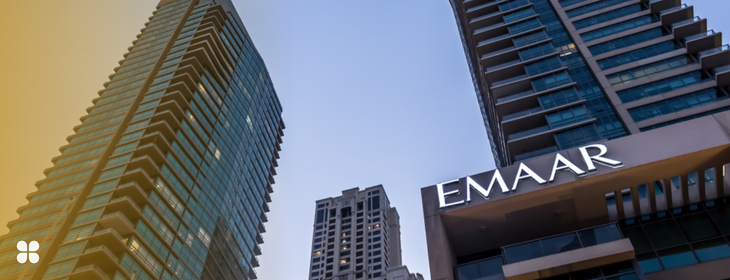
Emaar Properties advanced multiple mixed-use and hospitality developments in December, reinforcing its focus on experience-led real estate across Dubai and emerging emirates. Projects include residential, retail, and lifestyle-integrated assets.
With tourism demand and retail footfall reaching new highs, Emaar is capitalizing on the convergence of living, leisure, and commerce. Analysts see lifestyle real estate as a resilient growth driver entering 2026.

Saudi Introduces New Excise Tax Framework Ahead of 2026
Saudi Arabia announced changes to its excise tax regime, introducing a tiered structure for sugar-based beverages effective January 2026. The policy is designed to influence consumer behavior while aligning with broader public health goals.
Beyond health outcomes, the reform signals increasing fiscal sophistication. As Saudi Arabia modernizes its tax framework, enterprises are preparing for more structured compliance and reporting requirements.

GCC Economies Show Strong Resilience Entering 2026
World Bank and IMF updates released in December highlighted the resilience of GCC economies, supported by diversification reforms, digital adoption, and strong domestic consumption. Growth remains steady despite global uncertainty.
The outlook positions the GCC as one of the most stable emerging-market blocs globally. Analysts expect continued capital inflows as investors seek predictable, reform-driven economies.
Dubai Airports Report Record Passenger Momentum
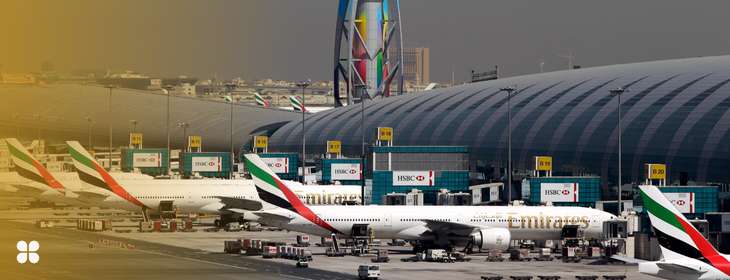
Dubai Airports reported strong year-end passenger traffic in December, driven by tourism recovery, global events, and expanded airline connectivity. International travel volumes approached record levels.
The growth reinforces Dubai’s role as a global aviation and transit hub. Rising passenger flows also support downstream sectors such as retail, hospitality, logistics, and services.
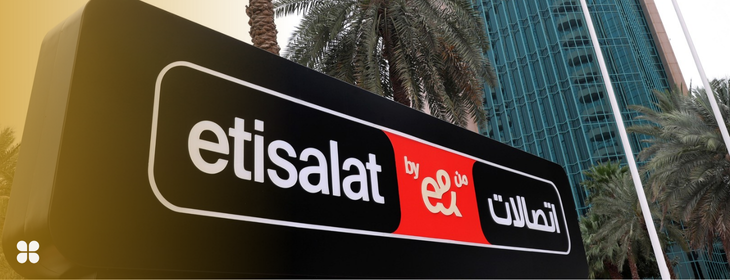
Etisalat by e& Expands Enterprise Digital Services
Etisalat by e& expanded its enterprise services portfolio in December, rolling out advanced cloud, cybersecurity, and digital workplace offerings for regional businesses. The focus is on large enterprises and government clients.
Telecom operators are increasingly repositioning themselves as digital transformation partners. For e&, enterprise services represent a high-margin growth opportunity beyond traditional connectivity.

Abu Dhabi Strengthens Infrastructure Investment Pipeline
Abu Dhabi announced new infrastructure and industrial investment allocations targeting logistics, energy transition, and advanced manufacturing. The investments aim to enhance long-term competitiveness.
The strategy supports Abu Dhabi’s ambition to become a global industrial and investment hub. Infrastructure spending remains a core lever for economic diversification and job creation.
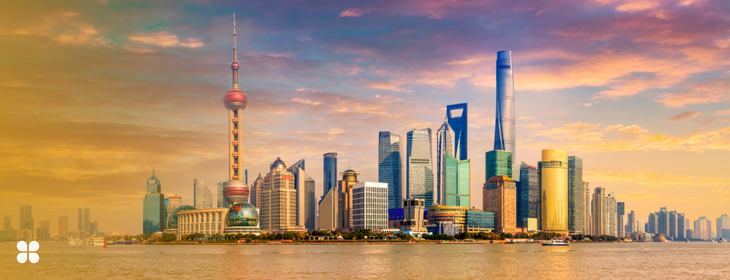
Saudi Tourism Assets Gain Momentum with New Openings
Saudi Arabia marked several milestone openings across tourism and entertainment assets in December, including early operations at Vision 2030 mega-projects. The developments signal accelerating execution.
Tourism is rapidly evolving from a policy objective to a revenue-generating sector. Analysts expect retail, hospitality, and services ecosystems to benefit significantly in the coming years.

GCC Enterprises Prepare for 2026 Compliance & Reporting Changes
Enterprises across the GCC intensified preparations in December for upcoming tax, reporting, and governance changes effective in 2026. Finance and compliance teams are upgrading systems and controls.
The shift reflects the region’s regulatory maturation. Stronger governance and digital finance frameworks are becoming prerequisites for sustainable growth and global integration.
