
Restructures, Resilience, and Retail Reinvention
September’s Biggest Shifts
RETAIL Monthly Wrap-Up
September 2025 revealed a retail sector caught between pressure and progress. In the UK, Amazon Fresh scaled back its grocery ambitions, Bodycare collapsed, and Morrisons lagged rivals, while Tesco and Next worked to steady confidence. Fashion legacies like Topshop and Debenhams plotted comebacks, even as mid-market players struggled under tightening consumer wallets.
Across the Atlantic, U.S. retail showed surprising resilience. Sales beat forecasts, Dick’s sealed a $2.4B Foot Locker takeover, and Starbucks reshaped its operations with job cuts and AI-driven efficiency. Target doubled down on promotions, while holiday outlooks hinted at slower growth ahead. Experiential retail in New York and IKEA’s leadership reset highlighted how brands are reimagining physical and digital spaces alike.
The throughline? Retail is recalibrating. From closures and restructuring to innovation and expansion, September underscored that the winners will be those who adapt quickly, balance value with experience, and embrace technology as a driver of customer loyalty.

Tesco Strengthens Market Share with Summer Gains
Tesco reported a 7.7% increase in sales for the 12 weeks ending mid-September, pushing its UK grocery market share up to 28.4%. Strong fresh food performance and value-led ranges drove the growth, helping the retailer outperform key rivals.
The results reinforce Tesco’s role as the market leader and highlight its ability to combine affordability with loyalty-driven engagement. Analysts expect Tesco to raise its full-year guidance, a signal of resilience in an otherwise pressured UK retail landscape.

Next Cautions on Slowing Sales Momentum
Next issued a warning that sales growth is likely to ease heading into autumn, despite multiple profit upgrades earlier in 2025. The retailer pointed to a more cautious spending outlook among UK consumers, particularly in discretionary categories like fashion and homeware.
The update reflects the fragile balance in mid-market retail, where inflation continues to squeeze household budgets. While Next’s omnichannel model and strong brand loyalty provide some protection, analysts suggest it remains exposed to the broader slowdown in discretionary spending.

UK Retail Sales Post Modest August Recovery
The ONS reported a 0.5% rise in retail sales in August, offering temporary relief after several months of weak performance. Warm weather boosted demand for non-food items, but volumes remained below pre-pandemic levels.
Economists caution that the uptick may be short-lived, with household budgets still under pressure from rising costs and credit use. Retailers face a challenging run into Q4, where promotional intensity is expected to increase to maintain footfall.
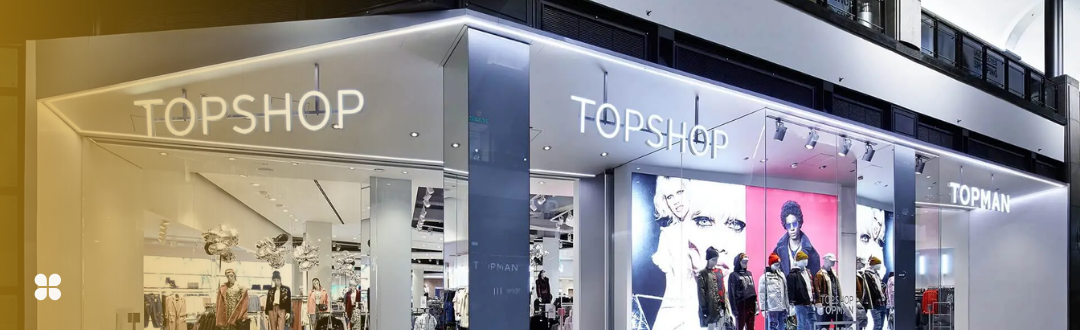
Topshop Returns to Physical Retail Through John Lewis
Topshop is set to re-enter the UK high street in February 2026, with 32 John Lewis concessions and six additional Topman outlets. The move marks the first significant physical comeback since Arcadia’s collapse in 2020.
The relaunch underscores the enduring brand equity of Topshop despite years of turbulence. By leveraging John Lewis’s established footprint, the label aims to reconnect with younger shoppers while testing whether nostalgia and physical presence can revive its market share.
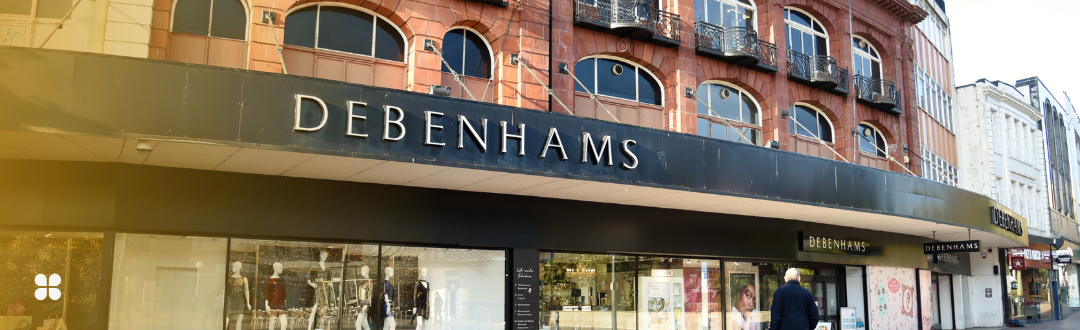
Debenhams Targets U.S. Department Store Revival
The restructured Debenhams Group announced plans to launch its British fashion labels in major U.S. department stores such as Macy’s and Nordstrom. The move marks a new chapter for the brand, which exited the UK high street following years of decline and administration.
By expanding through established U.S. retailers, Debenhams is seeking to reinvent itself as a global label rather than relying on its fragile domestic market. Success in the U.S. could provide a blueprint for other heritage brands aiming to revive growth through international distribution.
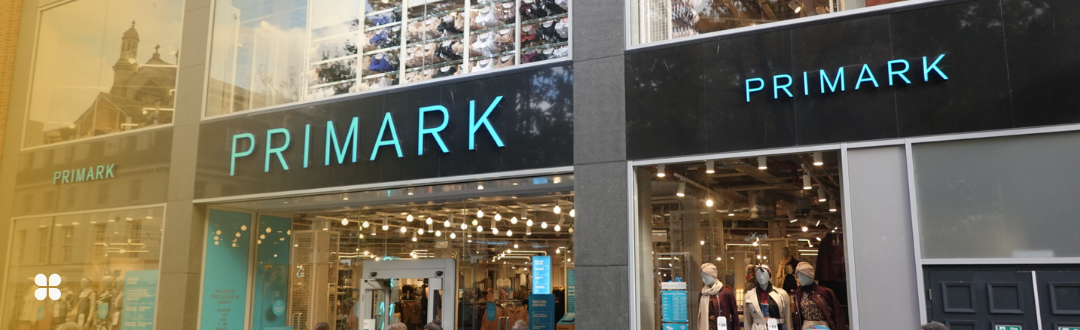
Primark Reports Mixed Global Performance
Primark owner Associated British Foods revealed that like-for-like sales fell by around 2% in the second half of 2025, with UK performance steady but European markets showing weakness. The company highlighted that its U.S. division continued to post strong growth, supporting overall results.
The uneven performance illustrates the patchy state of global fashion retail. While Primark’s low-cost model has shielded it in value-driven markets, pressure on discretionary spending in Europe is proving a drag. Analysts view the U.S. expansion as a critical growth lever.
Morrisons Struggles to Keep Pace with Rivals
Morrisons reported just 1.4% sales growth in the most recent 12-week period, leaving its market share flat at 8.4%. The result contrasts with stronger performances from rivals such as Tesco and Aldi, which have gained share through sharper pricing and promotions.
The figures highlight Morrisons’ ongoing struggle to reposition under new ownership. Without stronger differentiation in price, quality, or convenience, the grocer risks further market erosion as competition intensifies.

Pottery Barn Enters the UK Market
U.S. homeware retailer Pottery Barn launched its first UK e-commerce platform alongside a London pop-up in September. The rollout marks its official entry into Europe, aiming to capture a share of the premium home furnishings segment.
The launch pits Pottery Barn against entrenched players like Ikea and John Lewis. Analysts note that while UK households remain budget-conscious, demand for quality lifestyle and homeware products could provide a niche for the U.S. brand to grow.
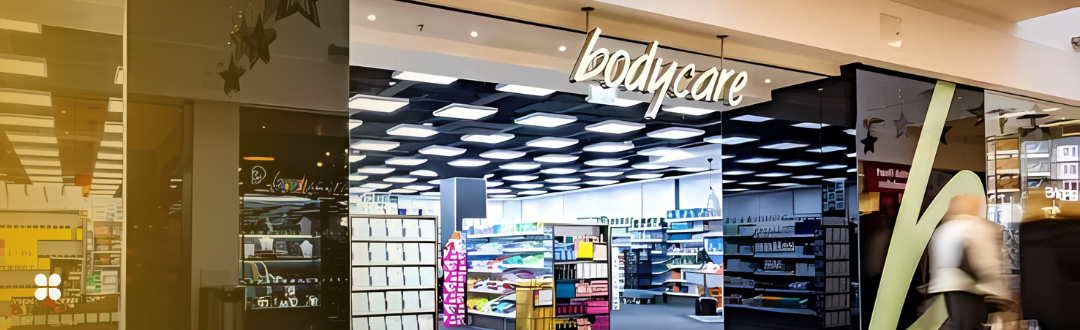
Bodycare Shuts Down After Administration
UK beauty retailer Bodycare confirmed that all 56 of its stores will close, with more than 400 employees impacted, after administrators failed to secure a buyer. The chain had been on the high street for over 50 years but struggled to compete with stronger online and discount rivals.
The collapse underscores the brutal pressures facing mid-market retailers caught between premium positioning and bargain-focused competitors. Without a clear value proposition or digital strength, brands like Bodycare are increasingly vulnerable to market exits.

Amazon Hit with Record $2.5B FTC Settlement
Amazon agreed to pay a $2.5 billion penalty, the largest civil fine in FTC history, to resolve allegations tied to advertising and data practices. Regulators accused the company of misusing consumer information and failing to provide adequate protections.
The landmark settlement illustrates the heightened regulatory scrutiny facing Big Tech’s retail operations. For Amazon, it is a costly reminder that aggressive growth strategies must now be balanced with compliance and trust-building in global markets.
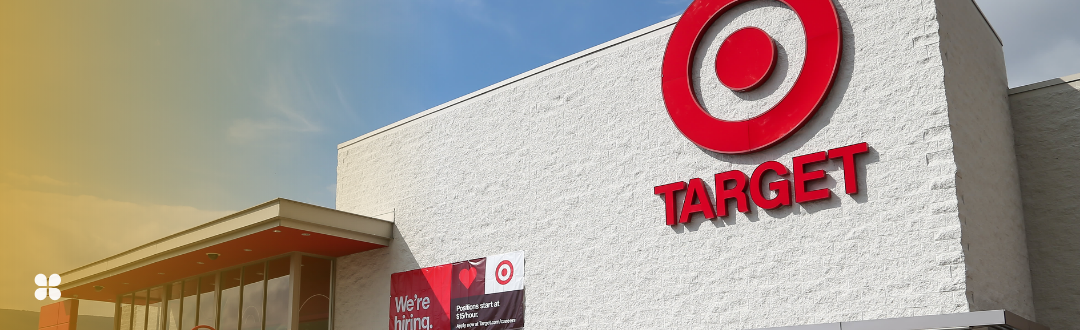
Target Expands Circle Week Ahead of Holiday Push
Target unveiled its biggest ever Circle Week campaign for October 2025, featuring 20,000 new holiday products and expanded next-day delivery across 35 metro areas. The retailer also relaunched its popular car seat trade-in program to attract family shoppers.
The initiative reflects how U.S. retailers are leaning heavily on promotions and logistics upgrades to secure market share. By pairing sharp discounts with convenience, Target is positioning itself to capture budget-conscious holiday customers.
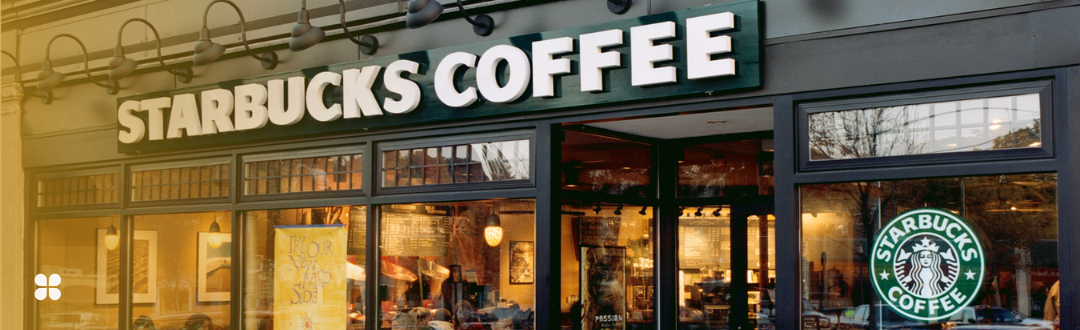
Starbucks Deploys AI for Inventory Management
The coffee chain also began rolling out AI-powered inventory systems across more than 11,000 North American stores. The technology is designed to streamline stock counts, reduce backroom labor, and minimize product shortages.
The move highlights how AI is moving beyond pilots into core retail operations. Analysts see it as a key lever for Starbucks to protect margins while modernizing its supply chain, with potential adoption across other foodservice operators.
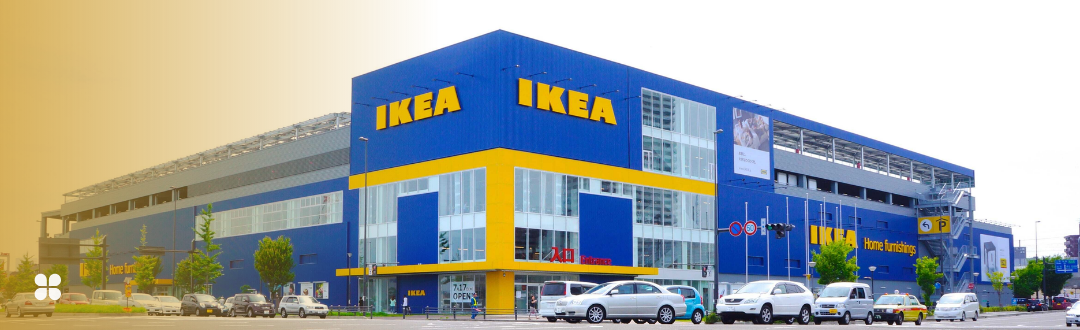
IKEA Names New CEO to Reinforce Value Strategy
Inter IKEA announced a leadership change in September, with its incoming CEO pledging to sharpen the brand’s focus on affordability. The move comes as households worldwide remain highly cost-conscious amid economic uncertainty.
The transition signals IKEA’s commitment to its core identity as the low-cost leader in home furnishings. By doubling down on value, the retailer aims to maintain relevance while also investing selectively in sustainability and digital innovation.
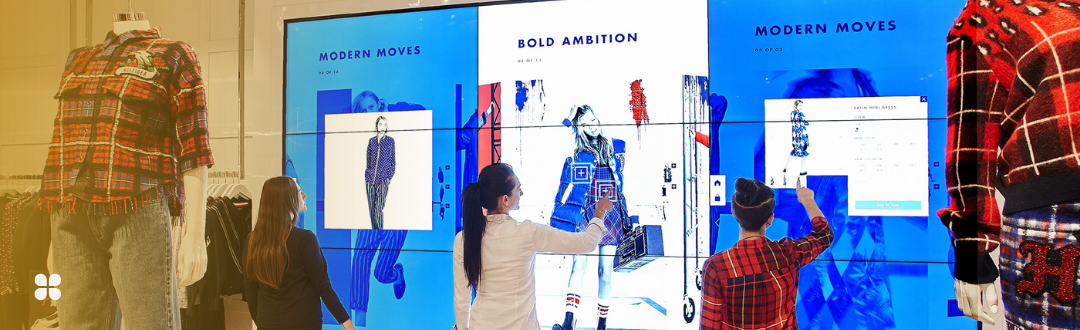
Experiential Retail Expands Across New York City
September saw a wave of new experiential store openings in Manhattan, including Pop Mart’s Times Square flagship. Retailers are increasingly using physical spaces as venues for entertainment, community, and brand storytelling.
The trend highlights a fundamental shift in brick-and-mortar strategy. As online shopping captures routine purchases, physical stores are evolving into experience-driven destinations designed to deepen loyalty and create buzz.
